
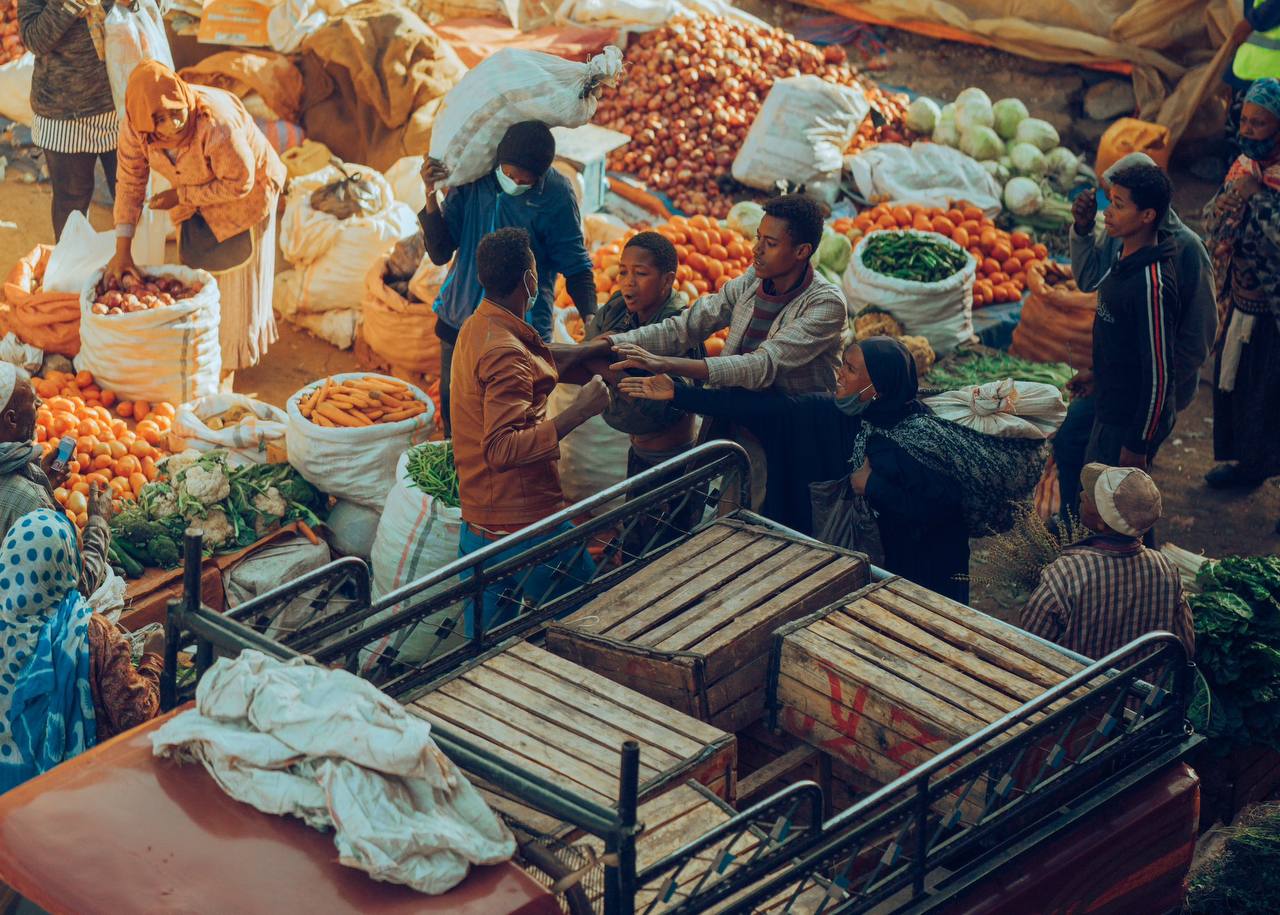
Merkato, located in the Addis Ketema district, is an adventurous open-air market in the capital city of Ethiopia. It offers a unique shopping experience and an opportunity to sample traditional spices. The market is known for its diverse range of products, including sport car spare parts, housing items, clothing, and more, all available at cheaper prices compared to their actual value.
Merkato origins
Covering several square kilometers, Merkato is a bustling marketplace that employs numerous people through its 7,100 business entities. It consists of over 150 stores and four large shopping centers, housing a total of 75 stores. The market's origins date back to the Italian occupation of Ethiopia, during which it was established as a marketplace called Merkato Indigino, meaning "market of the indigenous." Initially, the market was moved from the city center, known as Arada Ghiorgis or Piazza, to its current location in Addis Ketema, as part of the Italian's urban planning.
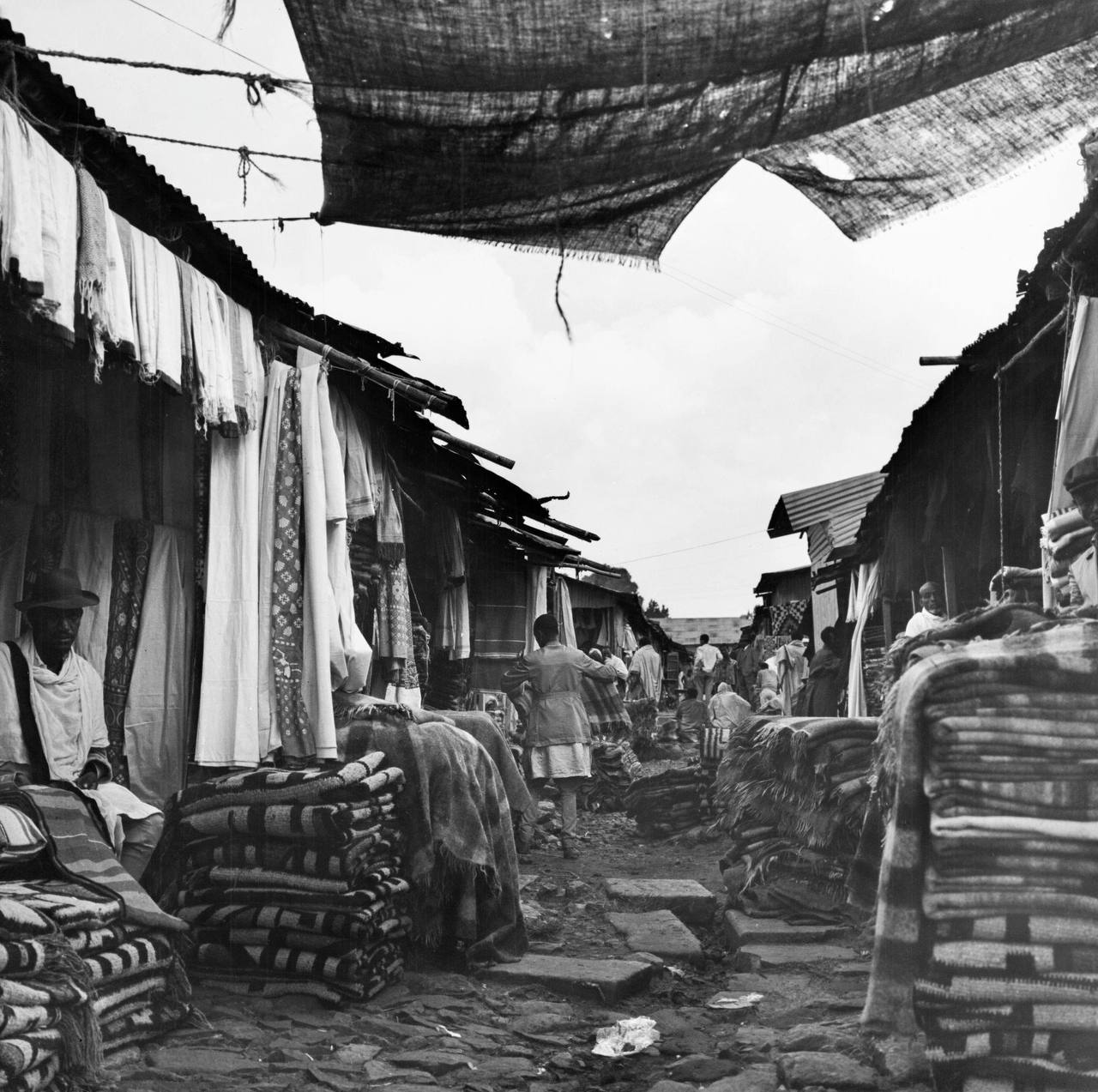
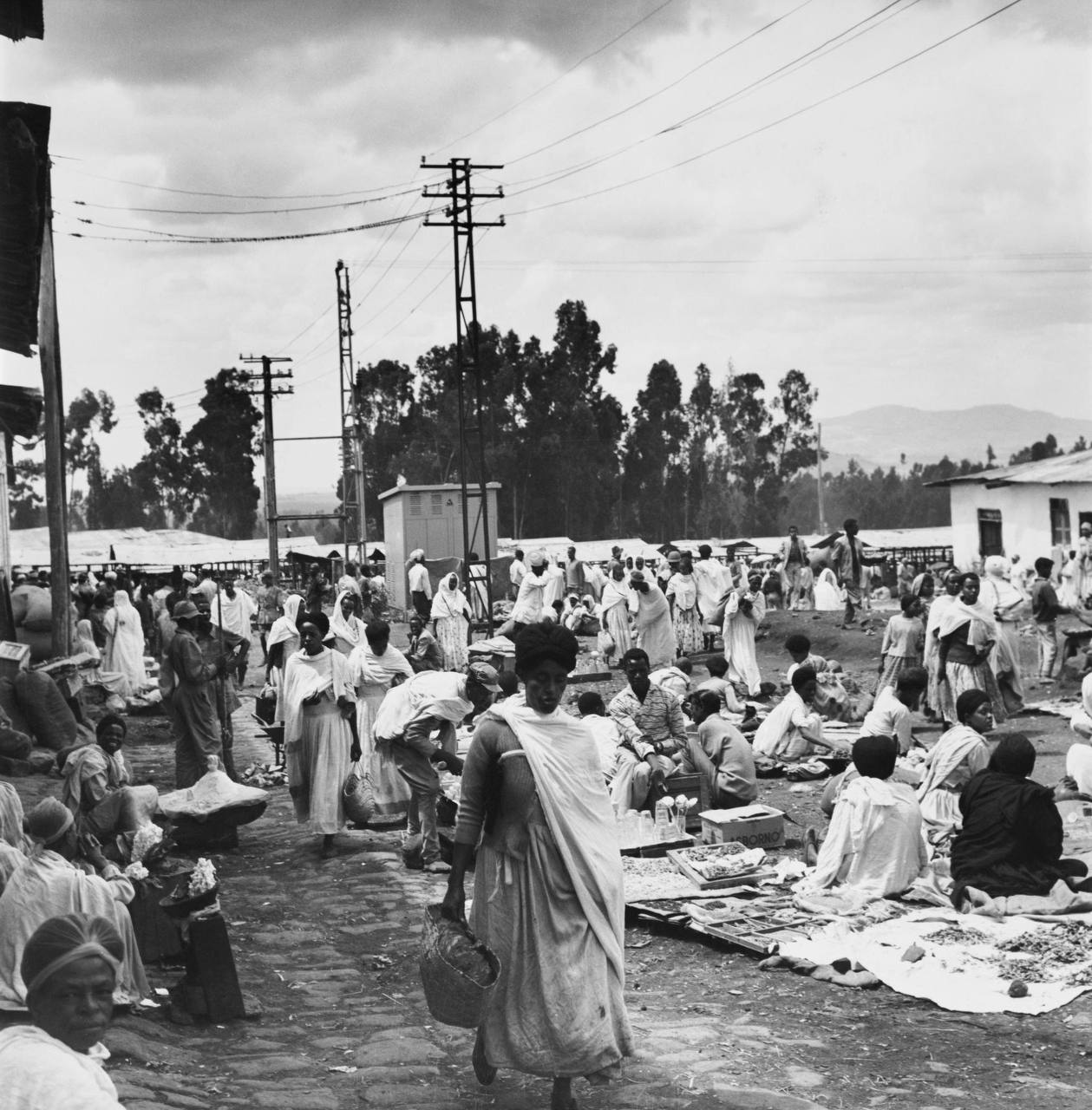
Originally dominated by Arab traders, the market underwent a transformation in the 1960s when local merchants took over, giving it a distinct local flavor. The name "Merkato" itself has Italian origins, derived from the Italian word for "market." Over the years, Merkato experienced rapid changes, particularly with the reintroduction of a free-market economy in Ethiopia during the early 1990s. As demand increased and the city underwent overall transformation, Merkato became the most expensive real estate in Addis Ababa, despite the majority of shops being owned by the Ethiopian government at the time.
"Merkato tera"
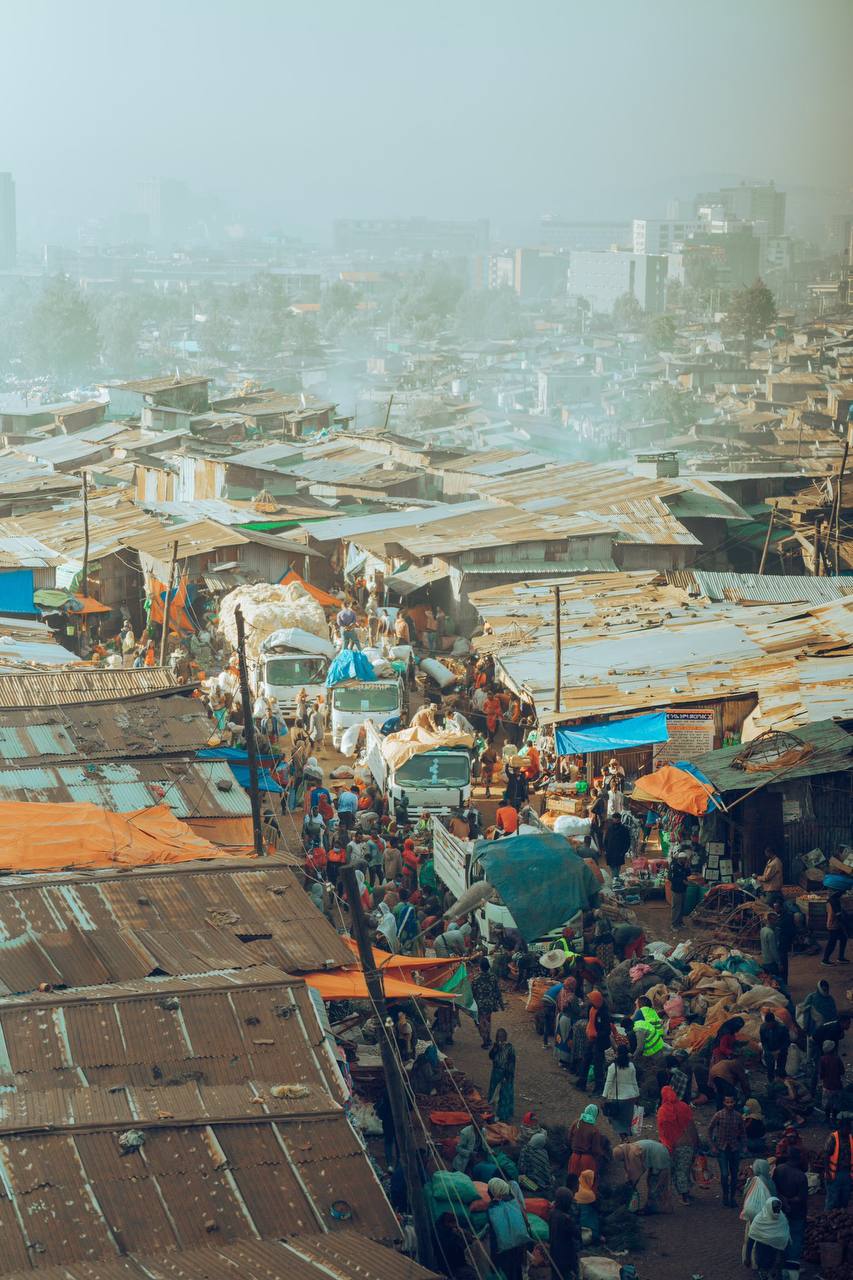
Merkato is organized into different sections called "teras," where similar products can be found in the same area. Some of the major teras in Merkato include Saten Tera, Shera Tera, Mesob Tera, Worke Tera, Ched Tera, Menalesh Tera, Dubai Tera, Military Tera, Bomb Tera, Shata Tera, Mentaf Tera, Frash Tera, and Sidamo Tera. These teras specialize in various goods, from exclusive Ethiopian garments to jewelry, making it easier for visitors to find specific items. Additionally, along the sidewalks, there are food vendors selling coffee and samosas, providing affordable snacks for both sellers and buyers.
The alleys and footpaths of Merkato form a web-like structure, reminiscent of the setting described by the late Egyptian writer Naguib Mahfouz in his classic novel, "Midaq Alley." These narrow pathways, particularly around Etan Tera (the incense quarter) and Bomb Tera, offer a wide range of consumer goods imported from distant lands. Despite the name, Bomb Tera does not sell actual bombs but rather light consumer goods.
However, with the passage of time, the face of Merkato is gradually changing as ancient shops are being replaced by modern commercial buildings. Therefore, it is recommended to visit this historical marketplace soon, as it is transforming into a more contemporary setting. Experience the vibrant atmosphere and diverse offerings of Merkato before it becomes a piece of history.