
In the realm of timekeeping, Ethiopia stands apart, embracing a calendar that defies convention and sets it apart from the rest of the world. As the global community strides into the year 2023, Ethiopians find themselves anchored in the year 2016. How did this intriguing divergence come to be? Delve into the captivating tale of the Ethiopian calendar, a system that traces its origins to ancient times and weaves together the threads of religious beliefs, biblical anecdotes, and cultural traditions.
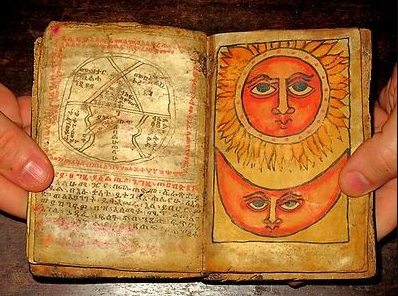
Ethiopia follows its own calendar system, known as the Ethiopian calendar or the Ge'ez calendar, which is different from the Gregorian calendar used by most countries around the world. The Ethiopian calendar has its origins in ancient times and is deeply intertwined with biblical anecdotes and religious beliefs.
The Ethiopian calendar begins counting years from the believed birthdate of Jesus Christ, which is calculated to be in 7 BC. This is in contrast to the Gregorian calendar, which considers Jesus' birth to be in AD 1. The Ethiopian calendar starts counting days from the year 7 BC because of the belief that Adam and Eve lived in the Garden of Eden for seven years before being expelled. After their repentance, God promised to save them after 5,500 years, and the Ethiopians believe that Jesus' birth marked the fulfillment of that promise.
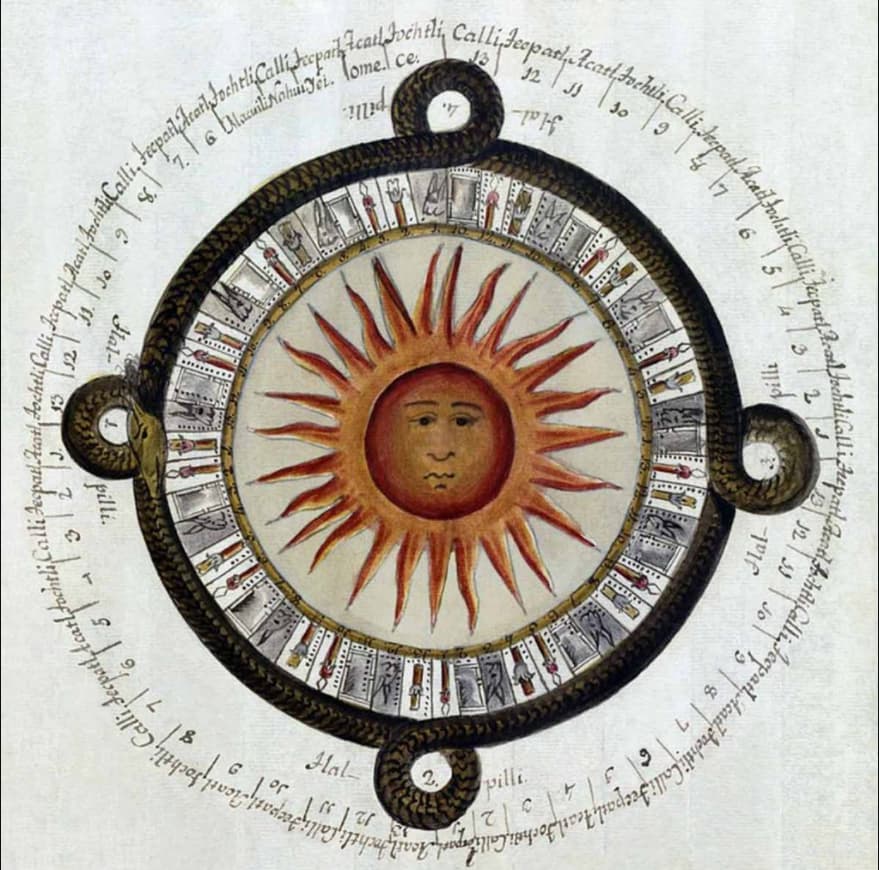
The Ethiopian calendar consists of 13 months, with 12 months of 30 days each and an additional month called Pagume, which has five days (or six in a leap year). In contrast, the Gregorian calendar has months of varying lengths. The Ethiopian calendar also incorporates a leap year system, similar to the Gregorian calendar, to account for the extra time it takes for the Earth to orbit the sun
The Ethiopian Calendar’s four-year leap-year cycle is associated with the four evangelists of the Bible. The first year after an Ethiopian leap year is named the John year, and is followed by the Matthew year and then the Mark year. The year with the 6th epagomenal day is traditionally designated as the Luke year.
Interestingly, Ethiopian sources claim that their ancient books contained knowledge of solar eclipses and the ability to predict when they would occur. These claims suggest that Ethiopian elites had some understanding of astronomical phenomena, even before modern-day scientific methods were developed. So, the Ethiopian calendar's differences from the Gregorian calendar are rooted in religious beliefs, biblical narratives, and cultural traditions, making it a unique system that has been followed in Ethiopia for centuries.