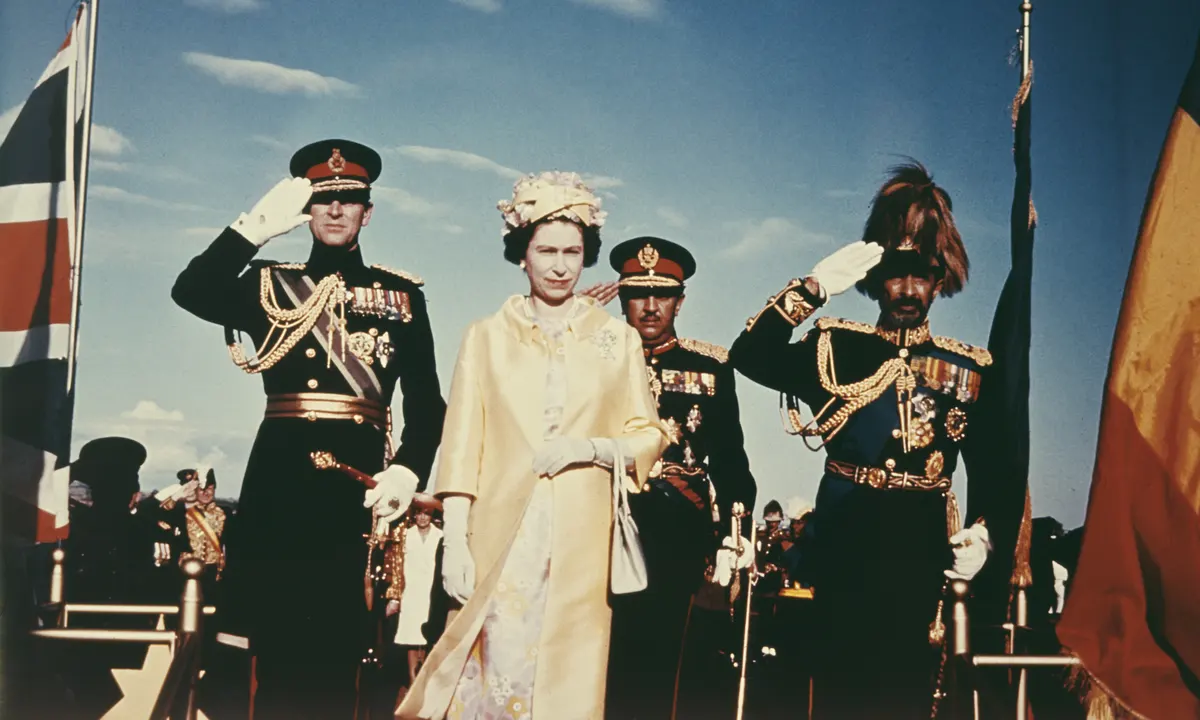
Addis Ababa is a mix of Africa's political capital, a gateway to historical regions in Ethiopia, and a stop over to several African destinations. It's full of culture, history, cuisine, coffee, hospitality and more! Addis hosts over 110 embassies, United Nations Economic Commission for Africa, and of course the African Union. Addis is accustomed to hosting annual summits & conferences for regional initiations and the United Nations.
The OAU:
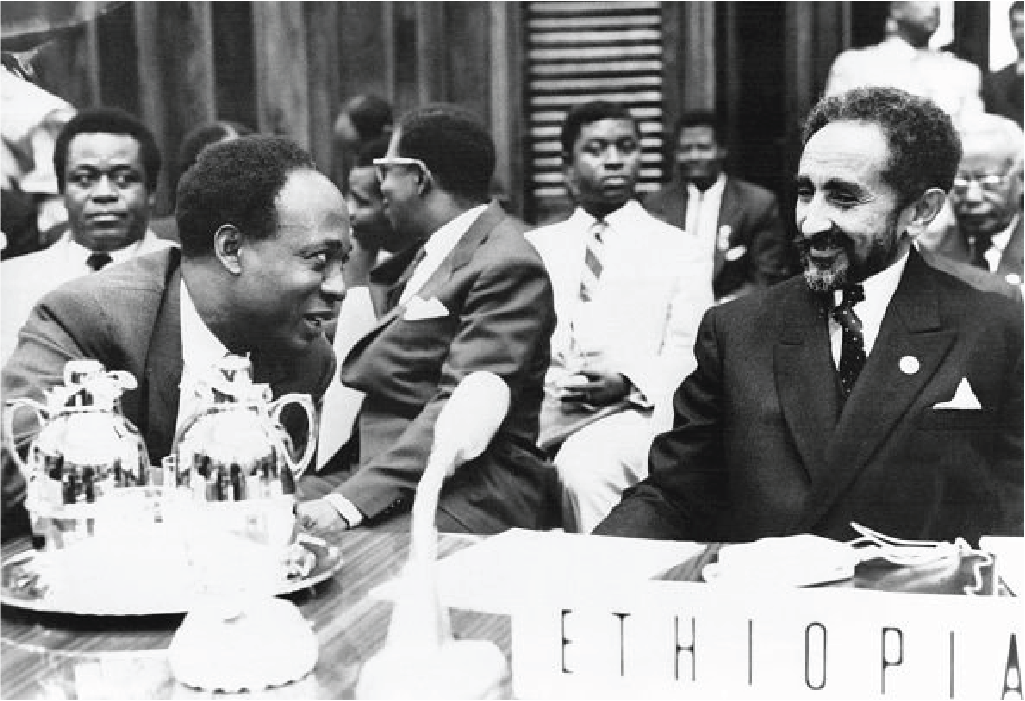
The Organisation of African Unity (OAU; French: Organisation de l'unité africaine, OUA) was an intergovernmental organization established on 25 May 1963
in Addis Ababa, Ethiopia, with 32 signatory governments. One of the main heads for OAU's establishment was Kwame Nkrumah of Ghana. It was disbanded on 9 July 2002 by its last chairman,
South African President Thabo Mbeki, and replaced by the African Union (AU). Some of the key aims of the OAU were to encourage political and economic integration among member states, and to
eradicate colonialism and neo-colonialism from the African continent.
United Nations Economic Commission for Africa:
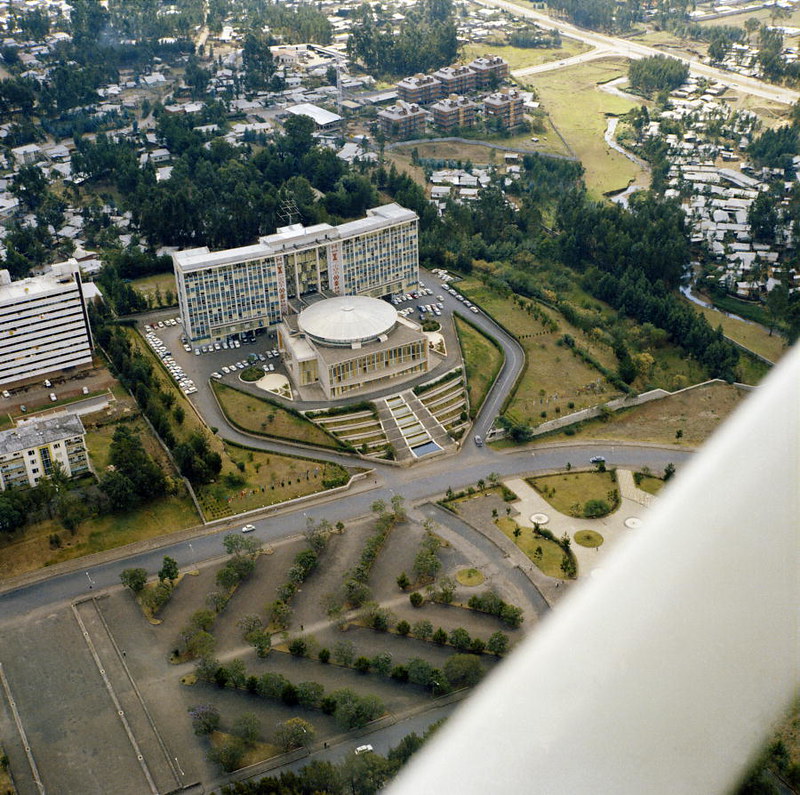
Established by the Economic and Social Council (ECOSOC) of the United Nations (UN) in 1958 as one of the UN's five regional commissions in Addis Ababa. The United Nations Economic Commission for Africa's (ECA)
mandate is to promote the economic and social development of its member States, foster intra-regional integration, and promote international cooperation for Africa's development.
Made up of 54 member states, and playing a dual role as a regional arm of the UN and as a key component of the African institutional landscape, ECA is well positioned to make unique contributions to address the
Continent's development challenges.
Intergovernmental Authority on Development (IGAD):
In 1983 and 1984, six countries in the Horn of Africa - Djibouti, Ethiopia, Kenya, Somalia, Sudan and Uganda - took action through the United Nations to establish an intergovernmental body for development and
drought control in their region. The Assembly of Heads of State and Government met in Djibouti in January 1986 to sign the Agreement which officially launched IGADD with Headquarters in Djibouti. The State of
Eritrea became the seventh member after attaining independence in 1993.
In April 1995 in Addis Ababa, the Assembly of Heads of State and Government made a Declaration to revitalise IGADD and expand cooperation among member states.
Diplomatic City
Addis Ababa city is considered as the third largest diplomatic hub in the world, after New York and Geneva, the panel discussion was aimed at strengthening its role as the seat of diplomatic missions and international organizations.
The diplomatic community of Addis Ababa is also involved in various corporate social responsibility projects throughout Addis Ababa. In the future, the Office of the Mayor plans to involve the international community in development city wide development projects such as the Addis Ababa chapter of green initiative and different other programs.