
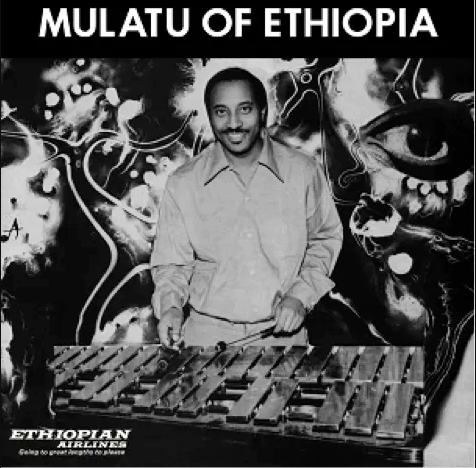
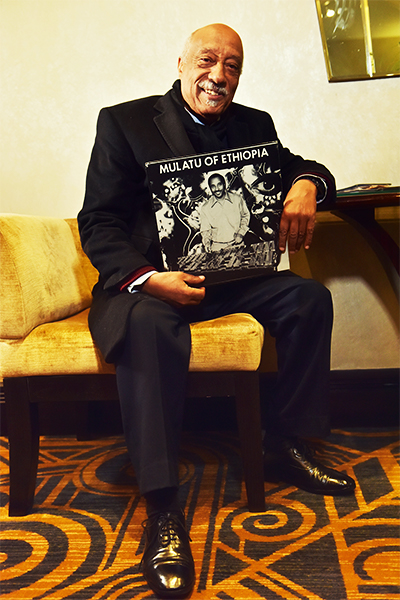
Today we will embark on a musical journey like no other as we delve into the groundbreaking album that laid the groundwork for Ethiopian jazz and brought it to the forefront of the global stage. On the date of Friday, May 19, 1972 a timeless masterpiece was born. Mulatu Astatke's trailblazing album, "Mulatu of Ethiopia," made its triumphant introduction , captivating a new generation of listeners with a new sound. Although nowadays it’s common to refer to all the music of Swinging Addis as Ethiojazz, that’s a modern designation. In its first and narrowest definition, Ethiojazz is the work and legacy of one man: Mulatu Astatke.
Brief History
The father of Ethio-jazz as we now know it is Mulatu Astatke. Born in 1943 in Jimma, a city in the Western part of Ethiopia, mulatu’s family sent young mulatu to study aeronautic engineering in North Wales in the late 1950s.Formally introduced to music and the arts during his studies, Astatke discovered his natural talent and eventual passion for music. Astatke went on to study classical music and instruments at Trinity College in London. inspired by African students in London who were presenting their music and culture to European audiences, he desired to compose and promote Ethiopian music. At the same time, Astatke wanted to learn more about the fascinating world of jazz, which led him to pursue his musical studies at the Berklee College of Music in Boston in 1958, the only jazz school in the world at the time.
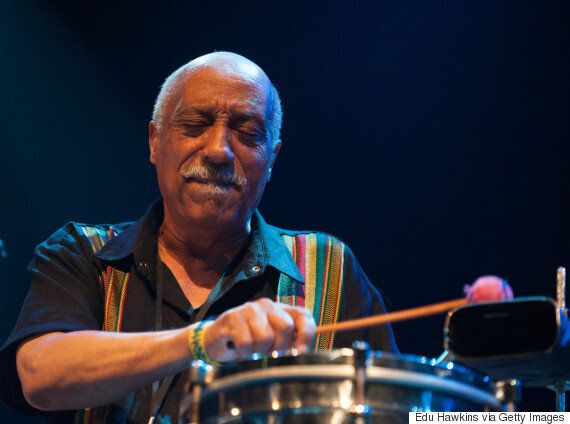
'Most of our Ethiopian music is based on five notes [pentatonic]. What I did was fuse the five tones with 12 tones. For many years I've been experimenting, and the more I do that the more complex it gets'
Mulatu Astatke
Birth of Ethio Jazz
Astatke's musical journey took an exciting turn when he landed in the United States. At Berklee College in Boston, he delved into the technical aspects of jazz, expanding his musical repertoire. Trips to New York City's vibrant music scene became a regular occurrence, where he crossed paths with producer Gil Snapper, a catalyst for Astatke's transformative albums. Their collaboration birthed the groundbreaking "Afro Latin Soul," where Astatke masterfully weaved together ancient scales from Asia, Africa, and his Ethiopian roots. This albums went on to inspire music globaly with one of the track “yegelle Tezeta” was sampled on Nas & damian marleys song “as we enter” The fusion of Ethiopian, Puerto Rican, and American influences created something truly unique and exhilarating. The success of the first volume led to a second, but Astatke's creative exploration didn't stop there.
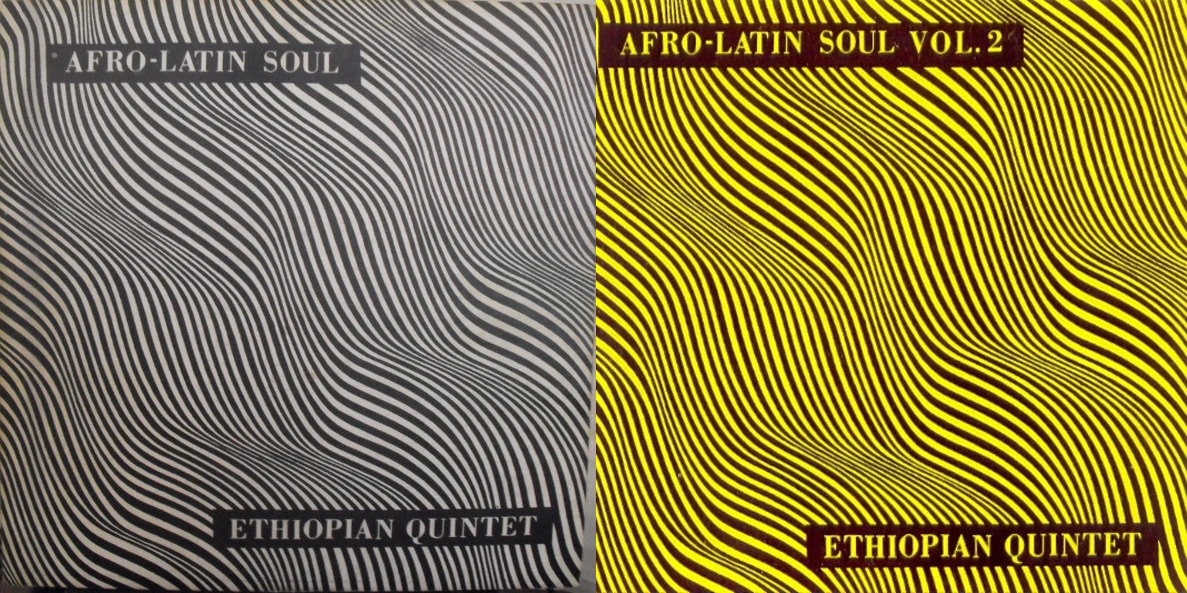 Mulatu's First & Second Album
"Mulatu of Ethiopia"
Infusing funk and cultural flavors, Astatke returned to a downtown Manhattan studio, surrounded by talented young jazz and Latin session players. Weeks of rehearsals resulted in the birth of "Mulatu Of Ethiopia" , a seminal album that solidified Astatke's signature Ethio jazz sound. From the infectious rhythms of "Kulunmanqueleshi" and "Dewel" to the vibrant energy of "Kasalefku-Hulu," the album showcased Astatke's genius. Not to mention the lively Ethio-Latin fusion of "Chifara" and the groovy self-titled track "Mulatu," a testament to his individuality.
“I somehow created ways to use the Ethiopian modes, being very careful not to lose the feeling.”
Mulatu Astatke
The album became a landmark for African music and the first representation of Ethio Jazz. Ethio Jazz is described as the unique fusion of ancient Ethiopian music with Afro-funk, jazz, soul, and Latin rhythms. It oozes mesmeric, sensual, cool. Mulatu’s piece, “Yekermo Sew” (“A Man of Experience and Wisdom”) was featured in the 2005 film “Broken Flowers” , which allowed the song to be heard around the globe.
Mulatu doesn’t use vocals. He’s unique in his instrumentality, and his mix of styles was crucial. There is a clear ’70s funk influence at play—with the wah wah on “Munaye,” the driving tempo paired with rolling saxophone on “Chifara,” the floating flute on “Mascaram Setaba.” Afro-Cuban rhythms also appear on “Mulatu” and “Kasalefkut-Hulu.” And those familiar with the Ethiopian washint (flute) will recognize the different wind sounds on “Kulumanqueleshi.” It all joins the melancholic minor rhythm and handclaps, which are reminiscent of traditional Ethiopian Orthodox church music. The melodies, too, use the five-note-scale pentatonic mode common to Ethiopian music.
These tracks would become staples in Astatke's repertoire, delighting audiences in both singles and electrifying live performances. With "Mulatu Of Ethiopia," Astatke had carved his musical niche, leaving an indelible mark on the world of Ethio jazz.